From Censorship to Self-Expression: Romania’s Evolving Music Therapy Model in the Post-Communist Context
Romania, Other International
- Caregivers
- Children
- Disability
- Young people
- Distance Learning Programme
- Organisation
Citiți această postare în Română.
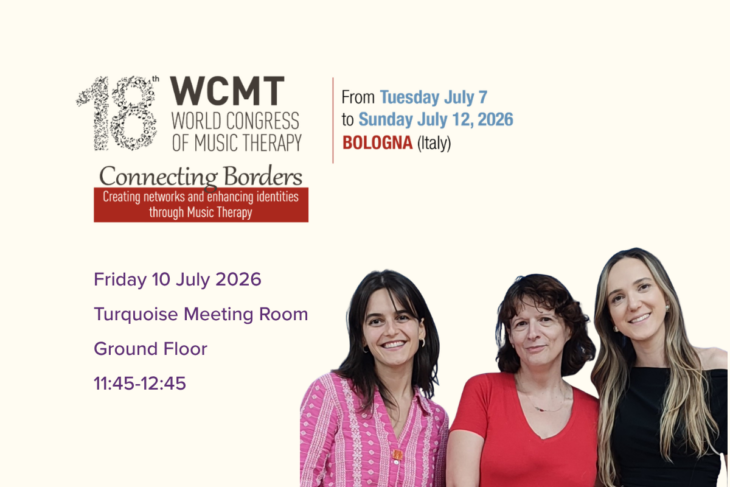
Between 1977-1990, psychology was banned in Romania, and freedom of self-expression was censored under communist dictatorship. Carers of children with learning disabilities had limited resources to address emotional needs through reflexive relationships. After the 1989 Revolution, Western care practices – including music therapy – were imported and adapted to Romanian culture, influencing contemporary practice.
This presentation explores the interplay between censored self-expression and imported practices, identifying key shifts in Romania’s music therapy development.
Two Romanian music therapists and a psychotherapist reviewed the engagement of 60 participants in a distance learning programme “Therapeutic music-making for children with disabilities” – a collaboration between British and Romanian practitioners, running since 2009. The evaluation of participants’ written and practical assignments explored their evolving needs and attitudes throughout the training, within the transitional socio-political context.
The evaluation revealed changes in therapeutic music-making, mirroring Romania’s post-communist context. Early participants displayed fear of taking initiative or making mistakes, a constant need for support, and insecurity. A cognitive-systematic educational approach influenced their views on therapy. Over time, they embraced a culturally-informed, client-centred model.
How might these lived experiences enrich music therapy practice, beyond Romania’s borders? What did practitioners need in order to embrace improvisation, play and Unconditional Positive Regard?