
Romanian Distance Learning Programme: Intensive Study Training Weekend
Romania
- Children
- Caregivers
- Disability
- Distance Learning Programme
Citiți această postare în Română.
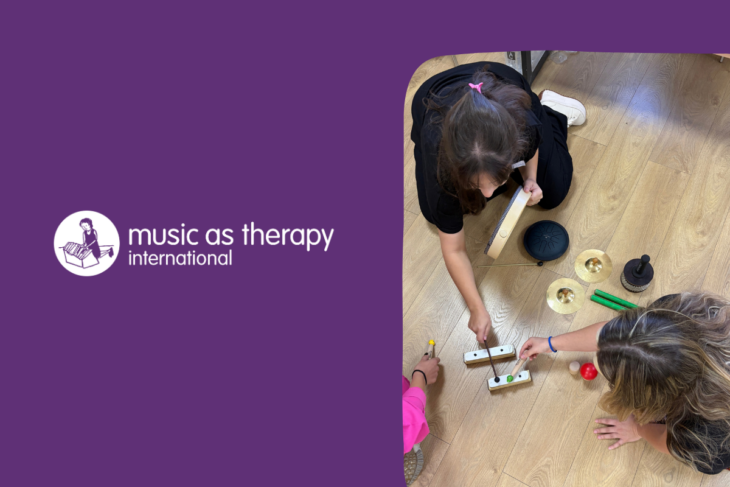
The Intensive Study Training took place on 19–20 September at Centrul Școlar de Educație Incluzivă Nr. 1, a local school for children with special educational needs.
This year’s in-person training was a little different for several reasons: Larisa Neculai, the Course Coordinator, was unable to join us due to personal commitments and a planned break, and the student group consisted of seven students, which is smaller than the groups we are used to. The training team was therefore made up of the local team: Monika Manases (Moderator) and Eleonora Roșca (Supervisor).
Linking Theory with Practice
During the weekend, we aimed to support the students in developing the practical skills they will need for their upcoming eight-week Practical Assignment, which is the final part of the Distance Learning Programme. Having completed comprehensive training in the theoretical aspects of the programme, the students were now able to begin linking theory with practice.
Monika Manases, the course moderator, said:
I think one of the most valuable aspects of the weekend was the students’ focus on the client’s resources, and especially on recognising the needs underlying their difficulties. By the end, I felt that the students left with confidence and curiosity about their ability to navigate the practical aspects of their work.
It was fascinating to see how they came to understand and consolidate their theoretical knowledge, giving it meaning through practical and experiential exercises.
The smaller, more intimate group offered additional opportunities for role-playing and discussion, as well as more time for questions and answers. We also had the opportunity to analyse clinical video excerpts, offer feedback on role-playing scenarios, and work together on planning a group music session.

Eleonora Roșca, the course supervisor, said:
I was struck by the students’ ability to feel more at ease on the second day, engaging in role-playing and discussing their own expectations and challenges. To engage in therapeutic work through music, we have to become acutely aware of our own expectations and personal fears or reticencies. I felt that we were able to create a secure environment in which we could openly share our own experiences.
One of the students highlighted that one of the most useful aspects was:
the emphasis placed on an accepting attitude, and the understanding that it is the child’s needs that we focus on in our sessions. The way we first identify their resources and strengths, then their needs, and based on these, establish our goals.
We finalised the weekend feeling encouraged by the students’ feedback, particularly their expressed wish for more opportunities to connect and meet throughout their training.
Continuing Local Partnerships
For the fourth consecutive year, Music as Therapy International has continued its partnership with the local team: Monika Manases, who leads the Romanian NGO Sound Art E-motion Association, and Eleonora Roșca, who leads the local NGO CoMusica Association.
Thanks to the partnership between Music as Therapy International and Sound Art E-motion Association, the course is able to offer 50 COPSI credits, awarded by the Romanian College of Psychologists.
Music as Therapy International has been offering the Distance Learning Programme “Therapeutic Music Work with Children with Disabilities” since 2011.
The course will soon open applications for the 2027 cohort. If you are interested in taking part, you can register your interest by emailing coordonator@musicastherapy.org.