
A Song for Mom: Finding Joy in the Notes
United Kingdom
- Adults
- Caregivers
- Dementia
- Elderly
- Unpaid carers
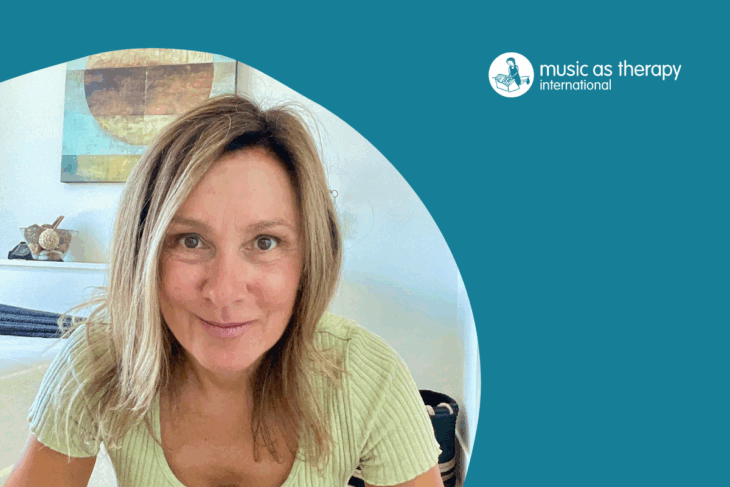
For as long as I can remember, music has been the heartbeat of our family life. When I was a child, my Mom would walk me to my piano lessons every week; she was the one who nurtured my first spark of musical love. In our home, Dad was always casually playing the guitar, and music was a constant in our household. It was the background noise of my childhood—a language we all spoke without realizing how vital it would one day become.
As the years passed, I stepped away from the piano, but music found its way back to me through a blend of necessity and love. As my Mom’s Alzheimer’s progressed into the mid-stage, Dad and I—who act as her primary caregivers—searched for ways to reach her across the boundaries that dementia was building. Two years ago, I decided to pick up the guitar. My goal was simple but deeply personal: I wanted to play alongside my Dad in the hope that Mom would join in and feel included as we tackled our favourite family songs together.
Completing the Music Helps online training was a true turning point. It prompted me to reflect on my own relationship to music and provided a “photo album journey” that linked specific songs to the important milestones in her life. The course helped me understand that music functions as a powerful form of storytelling, unlocking memories and emotions even when other parts of the self have been lost.
Music is a way we can find a connection as her disease progresses..
Perhaps the most vital insight I gained was the need to let Mom take the lead. I learned to enter every interaction without my own expectations for a “successful” outcome being the priority. Now, I simply try to be present with her, letting her control the pace of the music and the conversation. I am there to walk beside her in whatever she needs at that moment. It truly doesn’t matter if the song isn’t the original tempo or if the words aren’t exactly right; the value is in letting her feel successful, seen, and supported.

We saw this beautifully during a recent afternoon at home. Dad and I began playing Neil Diamond’s “Sweet Caroline,” which has always been an old favourite of Mom’s. As the music filled the room, the pieces of her we felt we had lost fell away. She seemed to “come alive” right before our eyes. She remembered the words, sang along with us, and actually danced a little.
The most important thing is the emotional connection we can build in those moments..
It was a joyous moment for all of us, proving that music can ignite recognition even when words fail. Through this journey, I’ve realized that while dementia steals much, it cannot steal the resonance of a shared song.
Sign up now to access Music Helps (UK) FREE:
Suited to anyone working with, caring for, or supporting someone living with dementia, Music Helps (UK) is completely free to access.
Find out more or sign up at https://musichelps.training/
Related projects
-
Online training: Music Helps (UK) 2025
United Kingdom
- Dementia
- Caregivers
- Elderly
- Adults
- Unpaid carers